

Nocona Embroidered Belt – Hand-Stitched Western Detailing
Our Nocona embroidered belt brings hand-stitched artistry to full-grain leather construction. Each belt features intricate floral or geometric embroidery patterns that run the length of the strap, created by skilled craftspeople who’ve spent years perfecting western detailing. The designs include classic motifs like scrollwork, sunbursts, and vine patterns stitched in contrast thread colors that pop against rich brown or black leather.
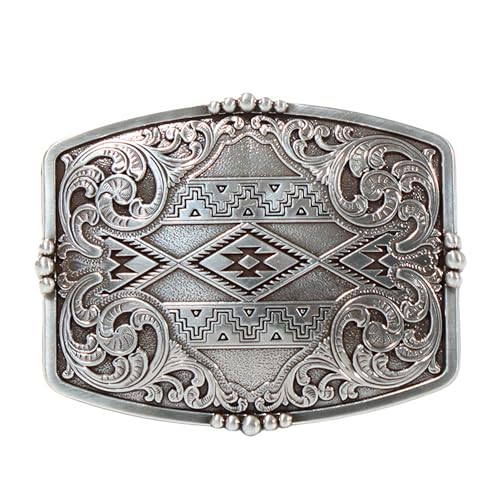
Built on a foundation of premium cowhide that’s been vegetable-tanned for suppleness and long-term wear resistance. The embroidery itself uses polyester thread that won’t fade or fray even after years of daily use. We finish every belt with a removable antique silver or brass buckle that complements the traditional western aesthetic. Available in 1.5-inch width to fit standard pant loops, with snap closures at each size increment so you can swap buckles or adjust for seasonal weight changes.
Construction & embroidery details
| 01 | Full-grain vegetable-tanned cowhide leather |
| 02 | Hand-stitched embroidery in floral, geometric, or scrollwork patterns |
| 03 | 1.5-inch width fits standard belt loops |
| 04 | Removable antique silver or brass buckle |
| 05 | Snap closures at each waist size for buckle swapping |
| 06 | Available in 32″ through 46″ waist sizes |
| 07 | Polyester embroidery thread resists fading |
| 08 | Made in Texas with traditional western craftsmanship |
What the numbers mean
The nocona embroidered belt line includes five signature patterns we’ve refined over decades of belt making. Our floral scroll design features delicate vines and leaves that curve along the entire strap length, stitched in tan or white thread against dark brown leather. The geometric sunburst pattern uses straight-line stitching to create repeating star and diamond motifs, popular with rodeo riders and country music performers.
Each embroidery pass is completed by hand on industrial sewing machines calibrated specifically for thick leather goods. We use bonded polyester thread rated to 40,000 abrasion cycles, which prevents the thread from pulling loose even when the belt flexes around belt loops or rubs against chair backs. The contrast between thread color and leather base creates visual depth that develops character as the leather patinas with age.
We source hides from U.S. cattle ranches and send them through a vegetable-tanning process that takes eight weeks from raw hide to finished leather. This traditional method uses tree bark extracts instead of chromium salts, resulting in leather that’s firmer and more resistant to stretching over time. The natural tannins also allow the leather to develop a warm honey-brown patina as oils from your hands and sunlight exposure gradually darken the surface.
Full-grain means we keep the outermost hide layer intact rather than sanding it down to uniform texture. You’ll see natural grain variations, slight color shifts, and occasional surface marks that prove the leather’s authentic origin. This top layer is also the densest and most durable part of the hide, which is why full-grain belts can last twenty years or more with basic care. The tooled leather belt styles we offer use the same cowhide stock, though those feature stamped impressions instead of embroidered thread.
Measuring for your size
Order your pant waist size plus two inches. If you wear 34-inch jeans, select the 36-inch belt. This accounts for the thickness of your pants and leaves room for the buckle prong to reach the center hole, which provides adjustment range in both directions as your weight fluctuates seasonally.
Snap-closure system
Each belt has five snaps spaced two inches apart along the buckle end. This lets you remove the existing buckle and swap in a trophy buckle or alternative style without cutting or punching new holes. The snaps are hidden under the buckle when worn, so they don’t interfere with the embroidered design’s visual flow. We use corrosion-resistant nickel snaps rated to 500 open-close cycles before metal fatigue sets in.
Care & maintenance for embroidered leather
Wipe the belt with a barely-damp cloth after exposure to mud, sweat, or spilled drinks. Let it air-dry completely before storing, since trapped moisture can cause the leather to mildew or the embroidery thread to attract mold. Avoid soaking the belt or running it under a faucet, which can dissolve the vegetable tannins and make the leather limp.
Apply leather conditioner every three months if you wear the belt daily, or twice a year for occasional use. Use a product formulated for vegetable-tanned leather rather than generic shoe polish, since the wrong formula can darken the embroidery thread or leave a waxy film that attracts lint. Work the conditioner into the back side of the belt first, then lightly buff the front embroidered surface with a soft cloth. Store the belt rolled loosely or hung on a hook, never folded sharply at a single crease point.
More hand-tooled and embroidered western belts


What the crews say
Questions about the Nocona embroidered belt
No, machine washing will damage both the leather and the embroidery thread. The agitation and hot water can dissolve the vegetable tannins that give the leather its structure, and the thread may fray or pull loose from the stitching holes. Spot-clean with a damp cloth only and let the belt air-dry completely before wearing it again.
The polyester thread we use is UV-resistant and rated for outdoor exposure without significant color loss. You may see slight fading after years of daily wear in direct sun, but it’s minimal compared to cotton or rayon thread. The leather itself will darken and develop patina faster than the thread fades, creating a lived-in look that most customers prefer.
Pull the buckle away from the belt strap to reveal the hidden snap closures underneath. Press the snap release on both sides simultaneously and slide the buckle off the belt end. Your new buckle should have a matching snap attachment that clicks into place on the same hardware. No tools or extra holes are needed.
Order a 38-inch belt. The general rule is to add two inches to your pant waist measurement to account for the thickness of your jeans and shirt tail, plus room for the buckle prong to land in the center adjustment hole. This gives you flexibility to tighten or loosen the belt as needed.
It depends on the event’s dress code and regional expectations. In western states or at country-themed weddings and galas, an embroidered belt with dress slacks is perfectly appropriate. For traditional black-tie or corporate formal settings outside western culture zones, a plain leather dress belt is usually a safer choice.
We don’t offer custom embroidery on individual orders, but we do release limited-edition patterns twice a year based on customer requests. Sign up for our email list to get notified when new designs launch. Our standard patterns include floral scroll, geometric sunburst, vine and leaf, repeating diamonds, and western rope designs.
With proper care, expect fifteen to twenty-five years of regular use. The vegetable-tanned leather is durable enough to outlast the embroidery thread in most cases, though the thread itself is rated for decades of wear. The snaps and buckle attachment are usually the first components to show wear, and those can be replaced by a leather repair shop without affecting the embroidery.